



If inventory still feels like a daily firefight in 2026, you are not alone. The good news is that a Complete ERP solution can finally make inventory predictable, trackable, and profitable, without forcing you to stitch together five different apps and a hundred spreadsheets. In this guide, we will walk through what a Complete ERP solution looks like today, what features actually matter for inventory, and how to choose a platform you can start small with and scale into a full enterprise backbone.
Inventory is no longer just “stock in, stock out.” It is demand signals, lead times, batch traceability, multi-warehouse transfers, returns, promotions, eCommerce sync, and real-time reporting. That is why more businesses are upgrading to a Complete ERP solution that connects inventory with finance, purchasing, production, sales, logistics, and retail, so every number matches, and every team works from the same reality.
Why Inventory Management Looks Different In 2026
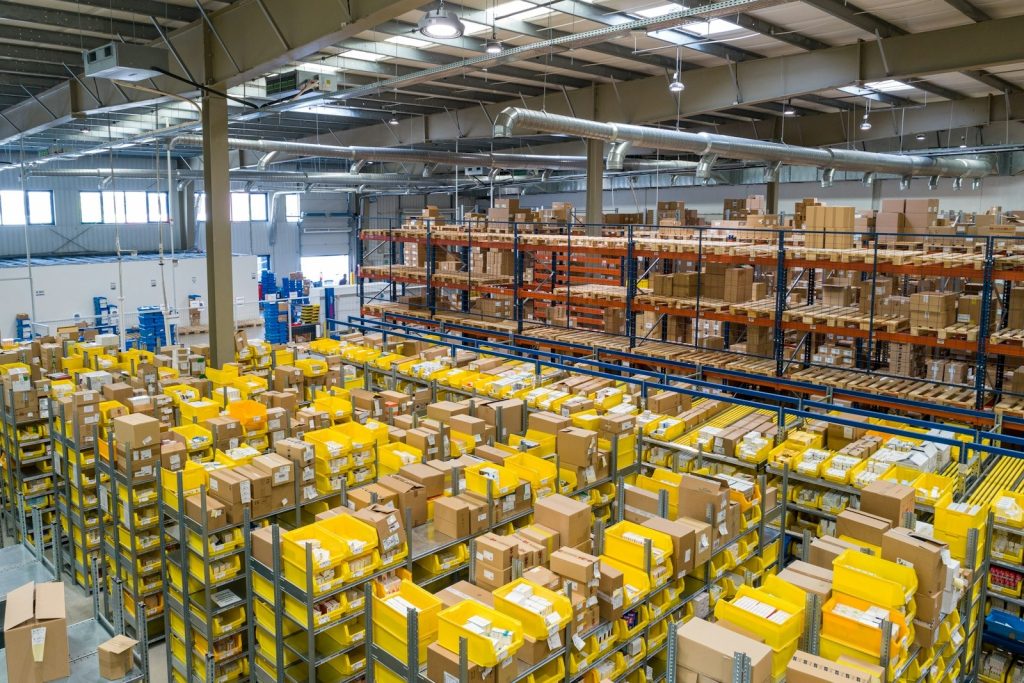
In 2026, customers expect accurate availability, fast delivery, and painless returns. Suppliers are still unpredictable in many categories. And management expects tighter working capital, fewer dead stocks, and cleaner audits. In that environment, inventory tools that only count items are not enough. You need a Complete ERP solution that can coordinate the “why” behind inventory movements, not just record the movements after the fact.
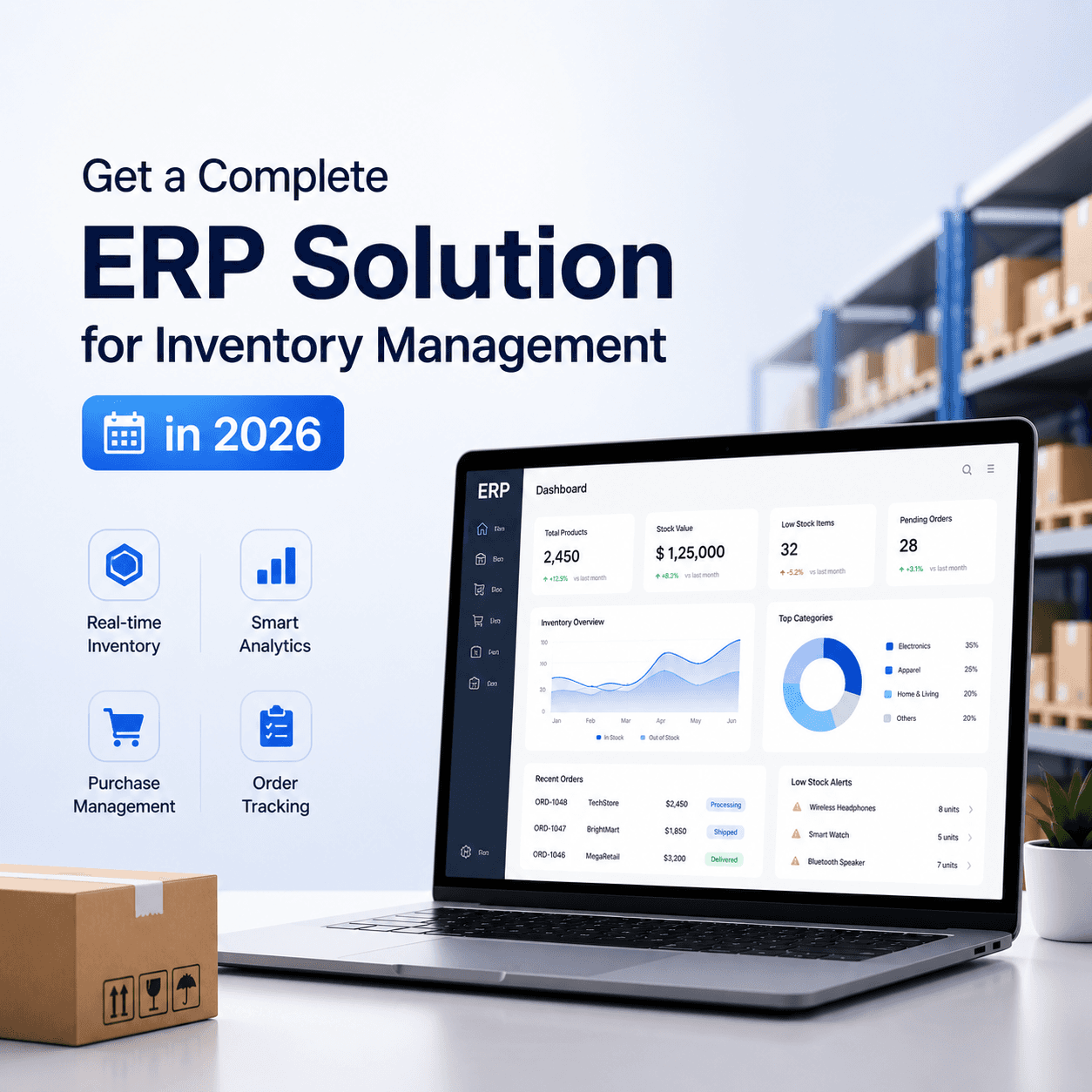
The most visible shift is real-time visibility. Businesses are moving from periodic stock checks to continuous inventory intelligence. That means every purchase order, goods receipt, production issue, sale, transfer, and return should update stock and valuation instantly, with approvals and role-based controls where needed. A Complete ERP solution makes that possible because inventory is not a separate island. It is part of one integrated system.
The Real Cost Of “Almost Integrated” Systems
A common setup is using one tool for accounting, another for POS, another for warehouse operations, and then Excel to “make it all make sense.” It works until it does not. Stock mismatches become routine. Finance closes take longer. Teams argue about which report is correct. And when you scale locations, the gaps grow fast.
In 2026, that hidden cost is bigger than most people expect. It shows up as overstock, stockouts, emergency purchases, missed sales, higher carrying costs, and delayed decision-making. A Complete ERP solution reduces those leaks by creating one data source with consistent rules across departments, including valuation methods, cost tracking, and approval chains.
What “Complete” Really Means For Inventory

A Complete ERP solution for inventory is not just a big software package. It is a connected set of modules that can run end-to-end operations, while still allowing you to start with the essentials and expand without rebuilding your process later.
At a practical level, “complete” should include:
Inventory control that supports multi-warehouse, multi-location, and multi-unit items, along with serial and batch tracking. Purchasing and supplier management should connect to reorder planning and lead times. Sales should reserve stock properly and reflect real availability. Finance should automatically capture valuation, landed costs, and COGS. If you manufacture, MRP and production planning should consume raw materials and produce finished goods with proper traceability. If you run warehouses, WMS should drive picking, putaway, and scanning. If you sell in stores, POS should sync stock and pricing without delays. That is what a Complete ERP solution looks like when it is doing real work.
The 2026 Checklist: Features That Actually Matter
Many ERP demos look impressive, but inventory success depends on a few non-negotiables. Here are the capabilities that usually separate a smooth rollout from a painful one.
A strong Complete ERP solution should give you real-time stock with configurable rules for reservations, backorders, and transfers. You should be able to track by barcode or QR code, and manage batches, expiry dates, and serial numbers where applicable. It should support multiple warehouses and allow controlled movements with audit trails.
You also want smart replenishment. That means reorder levels, demand-based suggestions, purchase planning, and the ability to consider lead times and minimum order quantities. For fast-moving businesses, automation is the difference between “we will do it tomorrow” and “it is already done.”
Finally, reporting should be instant and decision-ready. Real-time dashboards, aging analysis, slow-moving inventory, stock valuation, and profitability by item or category should not require exporting data and building pivot tables.
Why Modular ERP Wins In 2026 (Start Small, Scale Fast)
A major trend in 2026 is modular adoption. Businesses want a Complete ERP solution, but they do not want to implement everything on day one. The smart approach is to start with the modules that stabilize your operations immediately, then expand step by step.
For example, you might start with Inventory + Finance, and then add CRM, HRMS, WMS, MRP, or POS as your complexity increases. The key is choosing a platform that is truly modular, not “modular in pricing but messy in architecture.” When the modules share the same database and workflow engine, scaling feels like adding capabilities, not replacing systems.
This is exactly why modular suites like Focus ERP are popular for growing enterprises. They let you implement in phases without losing the benefits of a Complete ERP solution.
Focus ERP Modules That Fit Inventory-First Transformations
At Infoex Bangladesh, we simplify enterprise management through next-generation ERP systems that align technology with real business goals. As a certified partner and distributor of Focus ERP, Farvision ERP, and Impact+ ERP, we help organizations move toward full digital transformation, from finance and manufacturing to retail and logistics.
Focus ERP is a great example of how a Complete ERP solution can be modular and still feel unified. Focus 9, Focus X, and Focus WMS can be used as a full suite or as standalone modules depending on your needs. Many businesses begin with Inventory, Finance, or POS and then scale into WMS, MRP, and advanced approvals as operations grow.
To make this tangible, here is how the pieces typically map to inventory outcomes.
Focus Inventory: Control, Traceability, And Clean Stock Books
A Complete ERP solution must give you confidence in your stock numbers. Focus Inventory supports real-time stock tracking across warehouses and locations, becoming more powerful when paired with barcode or QR processes. Traceability matters more every year, especially for regulated goods, expiry-driven products, or complex supply chains. A good inventory module should track movement history clearly so you can answer “what happened” in minutes, not days.
Granular security and role-based approvals also matter here. Inventory is sensitive. A robust Complete ERP solution should allow you to control who can adjust stock, approve transfers, or override pricing, with a proper audit trail.
Focus WMS: Faster Picking, Fewer Errors, Better Throughput
If your warehouse team is still relying on manual picking lists or your dispatch accuracy hinges on “experienced staff,” you will notice an immediate improvement with Focus WMS. This system supports scanning workflows that significantly reduce mispicks and enable new staff to perform quickly. Such efficiency usually translates into better order fulfillment speed and fewer returns.
By 2026, a Warehouse Management System (WMS) will no longer be optional for businesses managing multiple warehouses, high order volume, or tight delivery timelines. When WMS is part of a Complete ERP solution, the warehouse does not operate in isolation. Picking updates inventory, sales sees the right availability, and finance captures the correct COGS automatically.
Focus MRP: Inventory Planning For Manufacturers
Manufacturing businesses often appear profitable until they accurately calculate true material consumption, wastage, and production variances. Focus MRP connects bills of materials, demand, and procurement so raw materials are planned properly and production issues reduce surprises.
This is where a Complete ERP solution becomes a competitive advantage. Instead of reacting to shortages, you can plan. Instead of guessing, you can forecast. And instead of losing traceability, you can track which batch of raw material went into which finished goods.
Focus POS: Retail Stock That Matches Reality
Retail inventory management falters when POS and inventory do not communicate effectively. Pricing becomes inconsistent, promotions create reconciliation headaches, and stock in the ERP does not match what stores actually sold. Focus POS, when integrated into the same environment as the other modules, helps keep stock, pricing, and sales aligned.
For businesses operating in both retail and distribution sectors, a Complete ERP solution helps unify the view across all channels. You can see item performance metrics, replenishment needs, and profitability insights without the hassle of manual reconciliation.
Integrations, Customization, And Zero-Code Workflows (What Modern ERP Needs)
A practical Complete ERP solution should not force you to abandon everything else overnight. Integration is part of real digital transformation. Focus ERP supports integration with tools like Tally, SAP, and QuickBooks, which can be helpful during migration or hybrid setups.
Customization is another major requirement in 2026, especially for businesses with unique approval chains, pricing rules, or compliance needs. The best systems offer zero-code workflow creation, role-based approvals, and granular security so you can adapt the process without heavy development cycles.
Add AI-driven insights and real-time dashboards on top, plus mobile access for teams on the move, and you get a system that is not just “installed,” but actively used.
Cloud, On-Premises, Or Hybrid: What To Choose In 2026
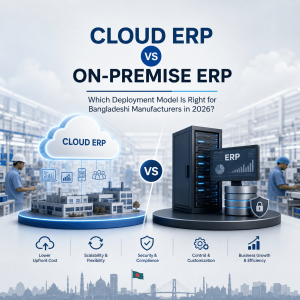
Deployment is no longer a one-size decision. A Complete ERP solution should let you choose what fits your governance and infrastructure.
Cloud works well when you want faster deployment, easier remote access, and less IT overhead. On-premises can be preferred for strict data control or specialized environments. Hybrid is often the practical middle ground for multi-location groups that want flexibility.
Focus ERP supports flexible cloud, on-premises, and hybrid deployment options, which is important for businesses scaling from a single company into multi-company or even multi-country group structures.
A Simple Implementation Path That Works (Without Overloading Your Team)
ERP implementations fail when teams try to do everything at once. A better approach is phased, measurable, and tied to inventory outcomes. If you want the benefits of a Complete ERP solution without operational chaos, start with the processes that create clean data.
Most inventory-first rollouts follow a flow like this: define item masters, units, barcodes, and warehouse structures; then standardize purchasing and receiving; then stabilize stock movements and approvals; and only then expand into WMS, MRP, POS, or advanced analytics. Once the foundation is solid, a Complete ERP solution starts paying back quickly because reporting becomes trustworthy and actions become faster.
Who Should Invest In A Complete ERP Solution For Inventory In 2026?
If you recognize any of these situations, you will likely benefit from a Complete ERP solution sooner rather than later. Maybe you are scaling locations, adding warehouses, launching new channels, or expanding product lines. Maybe you are dealing with stockouts despite “having stock.” Maybe your finance team cannot close quickly because stock valuation is always in question. Or maybe you are a manufacturer who needs traceability and production-linked inventory control.
In all those cases, inventory is the heartbeat. When it is accurate and connected, everything else improves.
FAQs
What Makes A Complete ERP Solution Better Than A Standalone Inventory App?
A Complete ERP solution connects inventory with purchasing, sales, finance, and production. That means stock, valuation, COGS, and availability update together in real time, reducing mismatches and manual reconciliation.
Can We Start With Inventory Only And Upgrade Later?
Yes. Modular platforms let you begin with inventory and finance, then add WMS, MRP, CRM, HRMS, or POS as you grow. This keeps implementation manageable while still moving toward a Complete ERP solution.
Is Focus ERP Suitable For Manufacturing And Complex Operations?
Yes. Focus modules like Focus MRP and Focus WMS support production planning, material consumption, and warehouse scanning workflows. This makes it a strong fit for growing manufacturers needing a Complete ERP solution.
Does The System Support Barcode Or QR Code Tracking?
Yes. Focus ERP supports barcode and QR code generation and scanning-friendly workflows, which improves receiving, picking, transfers, and stock counting accuracy within a Complete ERP solution environment.
Can Focus ERP Integrate With Tools Like Tally Or QuickBooks?
Yes. Focus ERP supports integration with tools such as Tally, SAP, and QuickBooks, which helps during migration or hybrid setups while you move toward a unified Complete ERP solution.
What Deployment Options Are Available In 2026?
You can choose cloud, on-premises, or hybrid depending on security, compliance, and connectivity needs. Flexible deployment makes it easier to adopt a Complete ERP solution across multiple sites and teams.
Get Started With Infoex Bangladesh
If you are tired of stock mismatches, delayed reporting, and inventory decisions based on guesswork, we can help you fix it with a Complete ERP solution that fits your business today and scales for what is next. At Infoex Bangladesh, we assess your inventory workflows, recommend the right Focus ERP modules, and implement them in a clean, phased way so your team can adopt confidently. Reach out to us, and let’s build an inventory system you can finally trust.