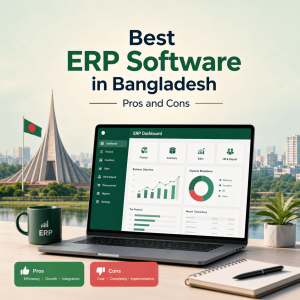




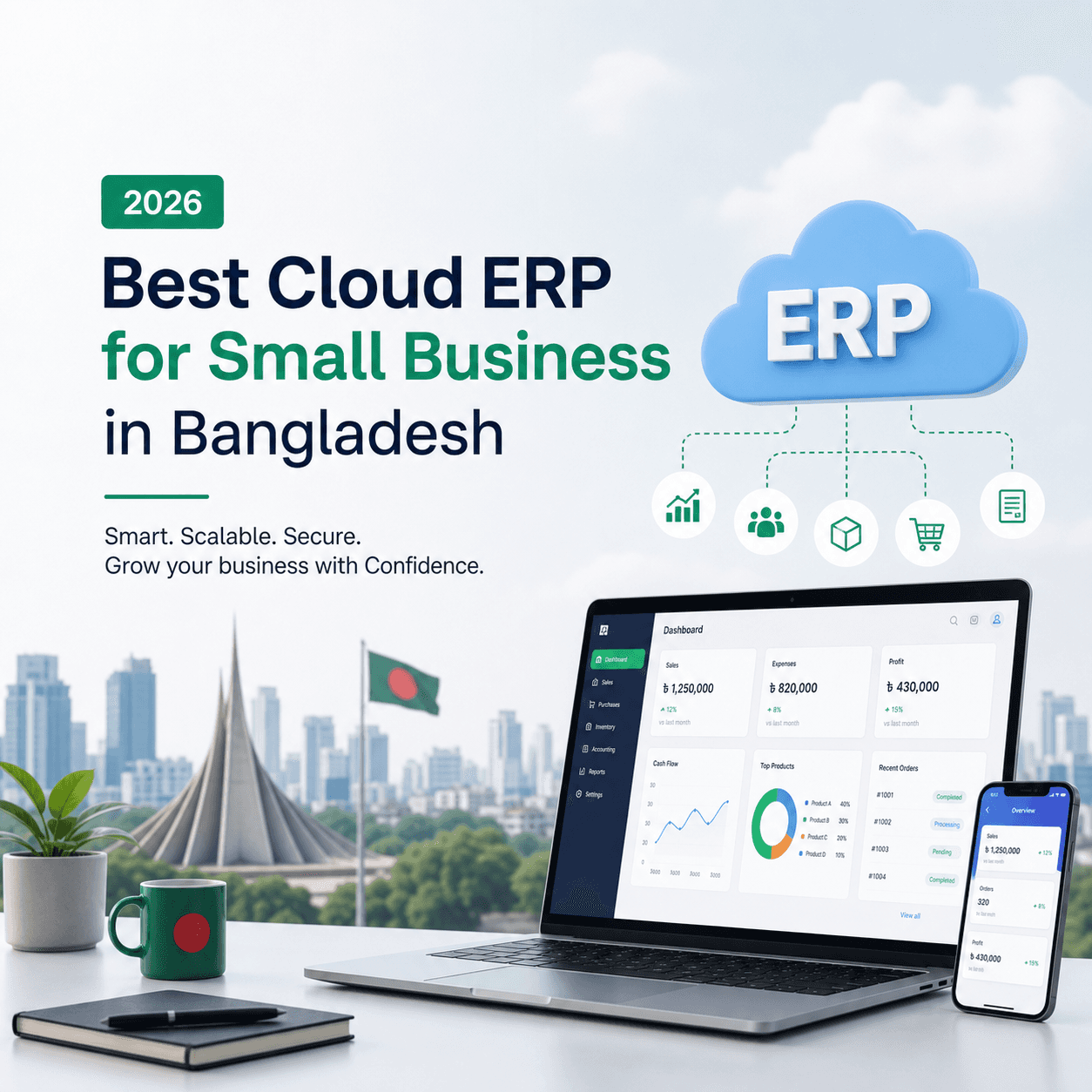
If you run a small business in Bangladesh, 2026 is going to feel like a make-or-break year for operations. Costs are tighter, customers expect faster service, and compliance and reporting are getting more serious across industries. That is exactly why so many founders are actively searching for the Best Cloud ERP for small business in Bangladesh right now.
A modern ERP is no longer “software for big companies.” The Best Cloud ERP for small business in Bangladesh is simply the system that helps you control finance, inventory, sales, purchasing, HR, and reporting from one place, without spreadsheet chaos. And because cloud deployment reduces IT burden, the Best Cloud ERP for small business in Bangladesh often becomes the fastest way to standardize operations, reduce leakage, and make smarter decisions.
In this guide, we will break down what to look for, what typically goes wrong when businesses choose the wrong tool, and how to shortlist the Best Cloud ERP for small business in Bangladesh based on real, practical requirements in 2026.
Why Cloud ERP Matters More In Bangladesh In 2026
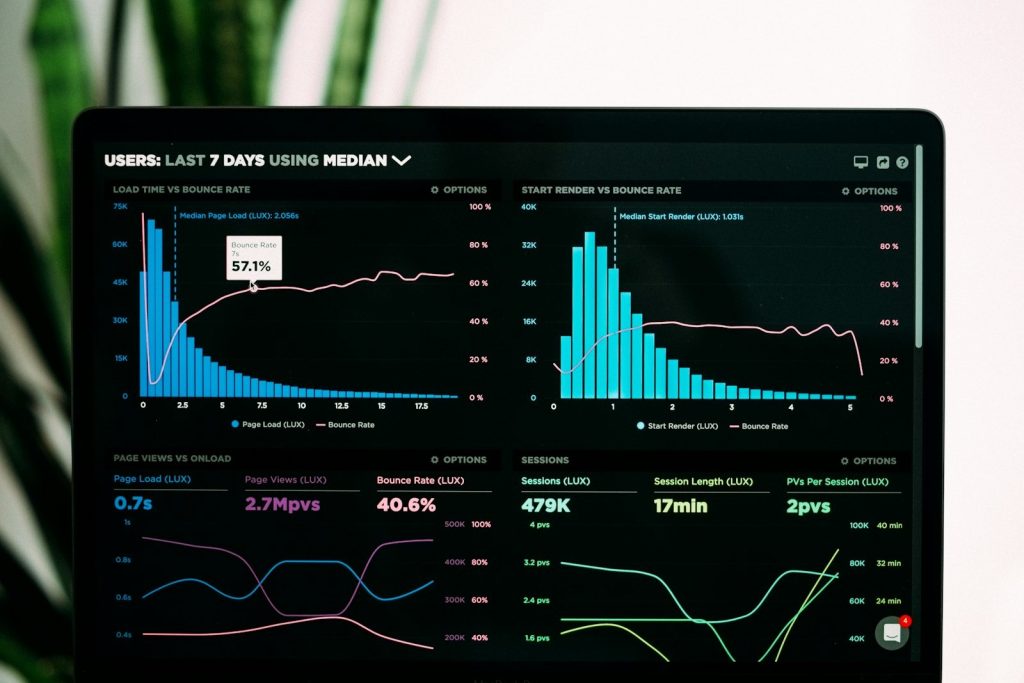
Bangladesh is moving fast. Even traditional sectors like trading, distribution, manufacturing, and retail are being pushed toward digitization by competition and customer expectations. When your purchase, inventory, and sales data live in different tools, your decisions are always late. Cloud ERP fixes that by giving you one real-time system.
The biggest shift in 2026 is that small businesses do not just want “accounting software.” They want a system that connects finance with operations. So when you evaluate the Best Cloud ERP for small business in Bangladesh, you are really evaluating how quickly you can scale without breaking your workflows.
Another factor is mobility. Owners and managers want approvals, dashboards, and alerts on mobile. A cloud-first ERP gives that flexibility, especially when teams are spread across outlets, warehouses, and project sites.
What “Best” Actually Means For Small Businesses (Not Big Enterprises)
It is easy to get impressed by long feature lists. But the Best Cloud ERP for small business in Bangladesh is usually the one that fits your stage of growth, can be implemented smoothly, and does not force you to change your business to match the software.
In practical terms, “best” means you can start small, run core functions reliably, and expand modules as you grow. It also means local support, training, and customization that does not take months.
Here are the non-negotiables most Bangladeshi SMEs should insist on when choosing the Best Cloud ERP for small business in Bangladesh:
- Real-time finance with proper approvals, vouchers, and audit trails
- Inventory that can handle batches, serials, expiry, and multiple locations
- Sales and purchase flows that match how your team actually works
- Role-based security so data does not become everyone’s business
- Reporting that a non-technical owner can understand quickly
Common Mistakes Businesses Make When Choosing A Cloud ERP

Many SMEs think ERP is only about “automation.” But the real value is control. When businesses pick the wrong system, they often end up with partial adoption and return to spreadsheets.
One common mistake is buying software that is either too simple or too complex. Too simple means you will outgrow it quickly. Too complex means you will never fully implement it.
Another mistake is ignoring integrations. If your finance team depends on existing tools, or you must sync with platforms like Tally, SAP, or QuickBooks, you need an ERP that supports this properly. If you want the Best Cloud ERP for small business in Bangladesh, assume you will need integrations sooner than you think.
The third mistake is underestimating customization. Many SMEs have unique approval flows, pricing rules, or manufacturing processes. If your ERP cannot adapt without heavy coding, your project will slow down and cost more.
The Shortlist Criteria For The Best Cloud ERP For Small Business In Bangladesh
When we help businesses evaluate ERP, we keep the decision grounded in a few key criteria. If you want to confidently pick the Best Cloud ERP for small business in Bangladesh, use these as your checklist.
Modular Start, Scalable Growth
The ERP should allow you to start with Finance or Inventory, then add CRM, HRMS, POS, WMS, or Manufacturing later. This is often what separates a long-term ERP from a short-term fix.
Deployment Flexibility
Cloud is the priority for 2026, but some businesses still want hybrid options due to internet reliability or internal policy. The Best Cloud ERP for small business in Bangladesh should support cloud, on-premises, or hybrid deployment without breaking features.
Role-Based Approvals And Security
Small businesses leak money through weak controls more than they realize. Good ERPs offer role-based access, maker-checker approvals, and granular permissions.
Zero-Code Workflow And Customization
If you can create workflows without heavy development, such as through no-code customization, you will implement faster and adjust processes as you learn.
Real-Time Dashboards And AI Insights

Owners need to see cash position, sales trends, top products, slow-moving stock, and receivable aging at a glance. AI-driven insights help highlight anomalies before they become problems.
Focus ERP (Focus 9 / Focus X) As A Strong Contender In 2026
If you are evaluating the Best Cloud ERP for small business in Bangladesh, Focus ERP is one of the most practical options to consider, especially for growing businesses that want modular expansion without losing control.
Focus offers a family of solutions that can be implemented as a complete ERP or used module-by-module depending on your current needs. This is extremely useful for SMEs that want to start with Finance, HRMS, CRM, Inventory, or POS, and scale later.
What Makes Focus ERP A Practical Fit For SMEs
Focus ERP is built to support businesses from single-company setups to multi-country groups, which matters more than it sounds. Even if you are small today, you may add branches, warehouses, outlets, or export operations faster than expected. The Best Cloud ERP for small business in Bangladesh should not block that growth.
Focus solutions also support strong integrations, including tools like Tally, SAP, and QuickBooks. That means you can migrate gradually, sync data as needed, or connect with external systems without reinventing your accounting process overnight.
From an operational perspective, Focus stands out for high customization with zero-code workflow creation, role-based approvals, and granular security controls. You get the flexibility of a system that fits your business, not the other way around.
Focus Modules That Matter Most For Small Businesses
Focus products such as Focus 9 and Focus X can be combined with operational modules like Focus WMS, Focus MRP, and Focus POS. The big advantage is that you can deploy what you need now and expand later, which is exactly what many people mean when they search for the Best Cloud ERP for small business in Bangladesh.
A typical SME path looks like this: start with Finance and Inventory, then add CRM and HRMS, then expand into POS or WMS once operations become multi-location, then adopt MRP if manufacturing becomes more structured.
Real-Time Dashboards, Mobile Access, And Barcode Enablement
In 2026, speed matters. Focus ERP supports real-time dashboards and mobile access, so management can approve, review, and monitor from anywhere. It also supports barcode and QR code generation, which is a huge operational upgrade for inventory accuracy, warehouse picking, and retail billing.
Why Manufacturing And Complex Operations Prefer This Approach

Many small manufacturers in Bangladesh struggle because they grow into complexity without systems. Focus ERP is often especially suitable for complex manufacturing and growing enterprises due to its scalability and modular architecture. If you want the Best Cloud ERP for small business in Bangladesh and you run production, assembly, processing, or multi-stage manufacturing, this matters a lot.
Which Industries In Bangladesh Benefit Most From Cloud ERP
Almost any SME can benefit, but some industries feel the impact immediately. If you are in trading and distribution, cloud ERP reduces stock errors, improves pricing control, and tracks receivables properly. If you are in retail, cloud ERP unifies POS with inventory and finance. If you are in manufacturing, cloud ERP brings discipline to BOM, MRP, production tracking, and cost control.
This is why the Best Cloud ERP for small business in Bangladesh is rarely a one-size-fits-all product. It is a configurable system with the right local implementation partner.
A Simple Way To Decide: Start With Your Pain, Not The Product
If your biggest pain is cash and receivables, start with Finance and Credit Control. If your biggest pain is stock mismatch, start with Inventory and WMS basics. If your biggest pain is order-to-delivery confusion, start with Sales, Purchase, and basic approvals.
Then choose the Best Cloud ERP for small business in Bangladesh that lets you start there and expand naturally without replacing everything later.
Implementation Reality: What A Good Rollout Looks Like

In Bangladesh, ERP success often depends more on implementation than software. A good implementation team maps your workflows, cleans your masters, trains users, and sets up approvals that match your culture.
For most SMEs, the best approach is phased rollout. You go live with core modules, stabilize operations, then add advanced features like mobile approvals, dashboards, WMS scanning, POS integration, or MRP planning.
If you want the Best Cloud ERP for small business in Bangladesh, prioritize a system that supports phased implementation cleanly, without forcing you into a “big bang” launch.
Cost, ROI, And What You Should Measure In The First 90 Days
Cloud ERP cost is not just licensing. It is implementation, training, data migration, and sometimes customization. But ROI becomes obvious when you measure the basics.
In the first 90 days, most SMEs should aim to see improvements in stock accuracy, faster month-end closing, reduced approval delays, better receivable tracking, and fewer manual reconciliations. These are the tangible outcomes people expect when they invest in the Best Cloud ERP for small business in Bangladesh.
Why Partner Support Matters As Much As The Software
A cloud ERP is not a one-time purchase. You will update workflows, add modules, bring new staff, and adjust controls. Local support, training, and continuous optimization are what keep adoption high.
This is also why working with an experienced ERP partner can make the difference between “we bought software” and “we transformed the business.”
Where Infoex Bangladesh Fits In This Picture
At Infoex Bangladesh, we simplify enterprise management through next-generation ERP software solutions that align technology with business goals. As a certified partner and distributor of Focus ERP, Farvision ERP, and Impact+ ERP systems, we help organizations achieve full digital transformation, from finance and manufacturing to retail and logistics.
If you are actively evaluating the Best Cloud ERP for small business in Bangladesh, Focus 9, Focus X, Focus WMS, Focus MRP, and Focus POS are modular ERP solutions you can use as a complete system or as standalone modules depending on business needs. You can start with Finance, HRMS, CRM, Inventory, or POS and scale up as you grow, with flexible cloud, on-premises, or hybrid deployment options.
We also prioritize strong integration capabilities with tools like Tally, SAP, and QuickBooks, along with customization, zero-code workflow creation, role-based approvals, and granular security. For leadership teams, AI-driven insights, real-time dashboards, and mobile access make everyday decision-making faster and more confident.
In short, when businesses ask us for the Best Cloud ERP for small business in Bangladesh, we focus on fit, scalability, and a rollout plan that people will actually use.
FAQs
What Is The Best Cloud ERP For Small Business In Bangladesh In 2026?
The best choice depends on your industry, workflows, and growth plans. Prioritize modular modules, strong finance and inventory, role-based approvals, real-time dashboards, and reliable local implementation support.
How Long Does A Cloud ERP Implementation Usually Take For SMEs?
Most small businesses can go live in phases within a few weeks to a few months. Timelines depend on data readiness, customization needs, integrations, and how quickly teams complete training. It’s important to note that manufacturing ERP implementation could take longer due to the complexity involved.
Can We Start With Only Finance Or Inventory And Add More Later?
Yes, and that is often the smartest path. A modular ERP lets you start with core functions like Finance, Inventory, HRMS, CRM, or POS, then scale as operations grow.
Does Cloud ERP Work Well With Weak Internet Connectivity?
Many systems offer hybrid options or offline-friendly workflows for certain functions. If connectivity is a concern, choose an ERP with flexible deployment and a partner who can design fallback processes.
What Should We Prepare Before ERP Go-Live?
Clean your customer, supplier, and item masters, finalize chart of accounts, define approvals, and nominate internal owners. Preparation reduces delays and helps users adopt the new process confidently.
Get Started With The Right ERP
If you are serious about finding the Best Cloud ERP for small business in Bangladesh, we can help you avoid expensive wrong turns and implement a system your team actually uses. At Infoex Bangladesh, we do not just deliver software. We plan, configure, integrate, train, and support your ERP so your finance, inventory, sales, and operations finally run as one. Reach out to us, and let’s map the fastest, safest path to your full digital transformation.