



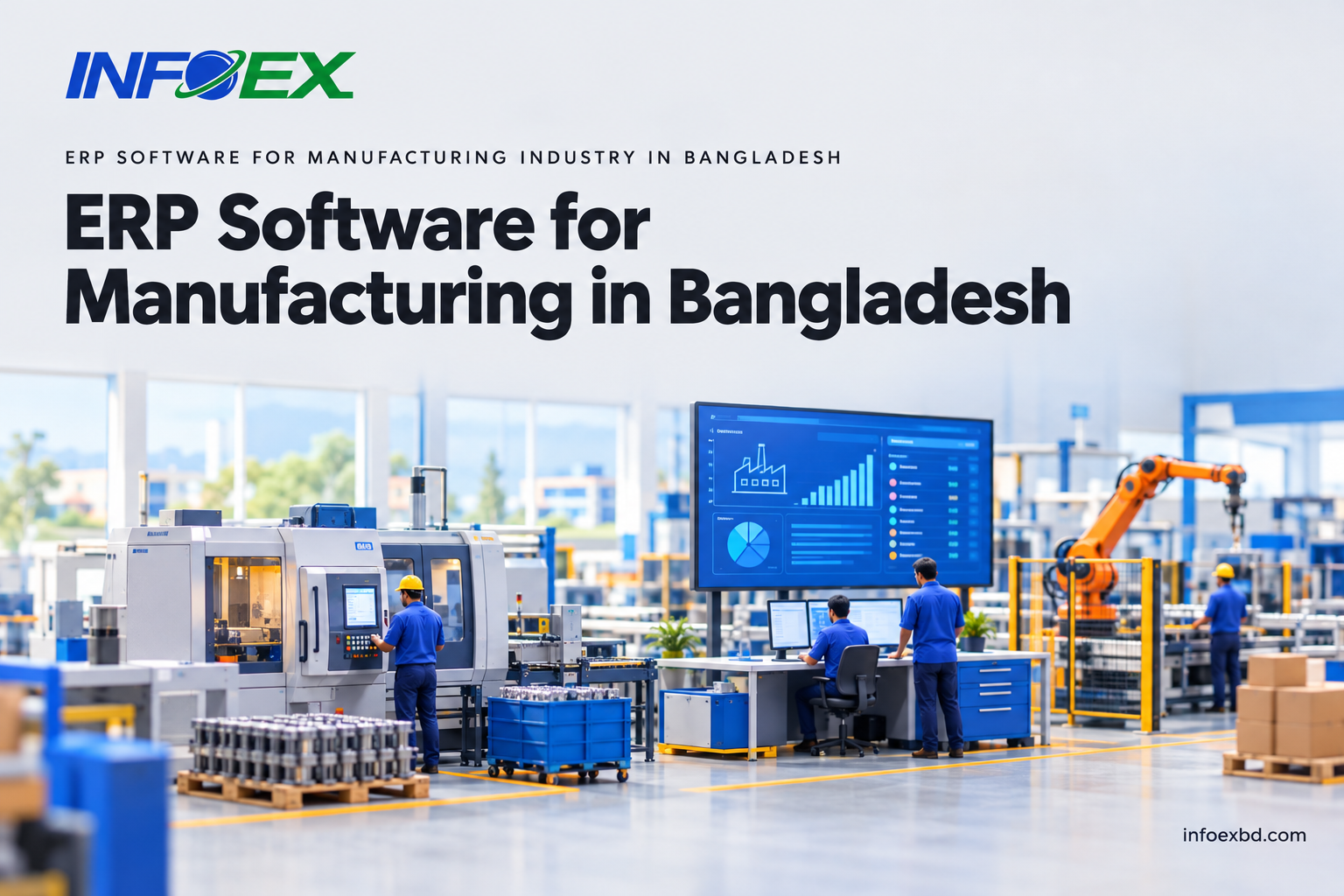
In manufacturing, efficiency is king — but achieving it without the right ERP software for the manufacturing industry in Bangladesh is a myth. As businesses strive to streamline operations and maximize productivity, implementing a robust ERP system becomes crucial. This guide will walk you through the ultimate checklist and action plan for mastering ERP implementation tailored for manufacturers.
Understanding ERP for Manufacturing
ERP software for the manufacturing industry in Bangladesh is a powerful tool that integrates various business processes. From supply chain management and inventory control to financials and human resources, ERP systems provide a unified platform to manage and automate these functions. The right manufacturing ERP solutions can lead to increased efficiency, reduced costs, and improved decision-making.
ERP systems are not a one-size-fits-all solution. They must be tailored to meet the specific needs of the manufacturing sector, which often involves complex production processes and supply chain management. In Bangladesh, where the manufacturing industry is a vital part of the economy, leveraging ERP software can drive significant growth and competitiveness.
Understanding the benefits of ERP software can set the stage for a successful implementation. These benefits include real-time data access, improved process efficiency, enhanced collaboration, and better compliance with industry standards. With the right ERP system, manufacturers can achieve seamless integration of their operations, ultimately leading to higher productivity and profitability.
Ready to transform your manufacturing operations with ERP? Contact Infoexbd for a free consultation and discover how our tailored ERP solutions can drive your business forward.
Pre-Implementation Planning
Before diving into ERP implementation, thorough planning is essential. This phase lays the groundwork for a smooth transition to a new system. Here are the critical ERP deployment steps to undertake during pre-implementation planning:
1. Define Clear Objectives
Start by identifying the specific goals you want to achieve with ERP software. Whether it’s reducing costs, improving inventory management, or enhancing customer satisfaction, clear objectives will guide the entire implementation process.
2. Assemble a Competent Team
The success of ERP implementation heavily relies on the team behind it. Form a cross-functional team with representatives from key departments such as IT, finance, production, and management. This team will be responsible for overseeing the project and ensuring alignment with organizational goals.
3. Conduct a Needs Assessment
Evaluate your current processes and systems to identify gaps and inefficiencies. A comprehensive needs assessment helps in selecting the right ERP system that aligns with your business requirements.
Want to ensure a successful ERP rollout? Schedule a consultation with Infoexbd today for expert guidance through your pre-implementation planning.
Step-by-Step ERP Implementation
Implementing ERP software can be a complex process, but with the right action plan, it becomes manageable. Follow this step-by-step checklist to ensure a successful ERP system setup:
1. Software Selection
Choose an ERP solution that fits your specific manufacturing needs. Consider factors such as scalability, customization options, and vendor support. In Bangladesh, working with a local partner like Infoexbd can provide added advantages.
2. Data Migration
Migrate existing data into the new ERP system carefully. This involves cleaning, mapping, and validating data to ensure accuracy and consistency.
3. System Configuration
Customize the ERP system to match your business processes. This involves setting up modules, defining user roles, and establishing workflows that align with your objectives.
4. User Training
Provide comprehensive training to ensure all users are comfortable with the new system. Effective training reduces resistance and promotes user adoption.
5. Testing and Validation
Conduct thorough testing to identify and resolve any issues before the system goes live. This step is crucial to minimizing disruptions during the transition.
Let Infoexbd help you navigate each step of ERP implementation. Contact us for expert assistance and ensure your ERP deployment is seamless and successful.
Post-Implementation Review
Once the ERP system is live, the journey doesn’t end there. A post-implementation review is essential to ensure the system is meeting your business objectives and to identify areas for optimization. Here’s how to conduct a comprehensive review:
1. Performance Evaluation
Assess the system’s performance against the predefined objectives. This involves analyzing key metrics such as system uptime, process efficiency, and user satisfaction.
2. User Feedback
Gather feedback from users to understand their experiences and challenges. User input is invaluable in identifying areas that need improvement or additional training.
3. Continuous Improvement
ERP implementation is an ongoing process. Use insights from the review to make necessary adjustments and enhancements to the system. Regular updates and maintenance ensure the ERP system continues to deliver value.
Maximize the benefits of your ERP investment with a thorough post-implementation review. Reach out to Infoexbd for expert support in optimizing your ERP system.
Common Challenges and Solutions
Implementing ERP software for the manufacturing industry in Bangladesh comes with its own set of challenges. Being aware of these potential obstacles and having solutions ready can prevent setbacks:
1. Resistance to Change
Employees may resist new systems due to fear of the unknown. Overcome this by involving them early in the process and providing thorough training.
2. Data Migration Issues
Poor data quality can lead to implementation delays. Ensure rigorous data cleansing and validation before migration.
3. Insufficient Customization
Off-the-shelf ERP solutions may not fully meet your needs. Opt for a customizable solution that can be tailored to your specific requirements.
Want to overcome ERP implementation challenges effectively? Contact Infoexbd today for expert advice and tailored solutions.
The Role of IT Solutions in ERP Success
IT solutions play a pivotal role in the success of ERP software for the manufacturing industry in Bangladesh. Here’s how they can enhance your ERP system:
1. Integration with Existing Systems
Seamless integration with existing IT infrastructure is crucial. This ensures data consistency and eliminates silos across the organization.
2. Enhanced Security
Robust IT solutions provide enhanced security features to protect sensitive business data from threats and breaches.
3. Scalable Infrastructure
Scalable IT solutions ensure your ERP system can grow with your business needs, accommodating future expansion and increased data loads.
Leverage the power of tailored IT solutions for seamless ERP integration. Contact Infoexbd to enhance your ERP effectiveness and drive business transformation.
Transform your manufacturing operations today! With over 15 years of experience and proven partnerships with industry leaders, Infoexbd offers specialized ERP solutions tailored to the manufacturing sector. Learn more about our services and pricing, or contact us for a free consultation.
“`html
Frequently Asked Questions
What are the essential steps in ERP implementation?
The essential steps in ERP implementation include defining clear objectives, selecting the right ERP software, planning the project timeline, data migration, system configuration, testing, training employees, and going live. Continuous monitoring and support are crucial to ensure the system operates smoothly and meets the manufacturing industry’s needs in Bangladesh.
How can ERP software benefit the manufacturing industry?
ERP software streamlines operations, enhances productivity, and improves decision-making by providing real-time data insights. For the manufacturing industry in Bangladesh, it integrates various functions like inventory management, production planning, and supply chain management, leading to reduced costs and increased efficiency.
What challenges might arise during ERP implementation?
Challenges during ERP implementation can include resistance to change, data migration issues, inadequate training, and budget overruns. It’s essential to have a clear strategy and experienced team to address these challenges effectively, ensuring a smooth transition for the manufacturing industry in Bangladesh.
How can Infoexbd assist with ERP solutions?
Infoexbd offers tailored ERP solutions designed to meet the specific needs of the manufacturing industry in Bangladesh. With expertise in implementation, training, and support, Infoexbd ensures a seamless integration process, helping businesses enhance efficiency and achieve their operational goals.
Why is post-implementation review crucial?
A post-implementation review is crucial to assess the ERP system’s performance, identify any issues, and ensure it meets the business objectives. It helps in making necessary adjustments, optimizing processes, and maximizing the return on investment for the manufacturing industry.
“`